Insights on trader psychology, retention, and behavioural coaching
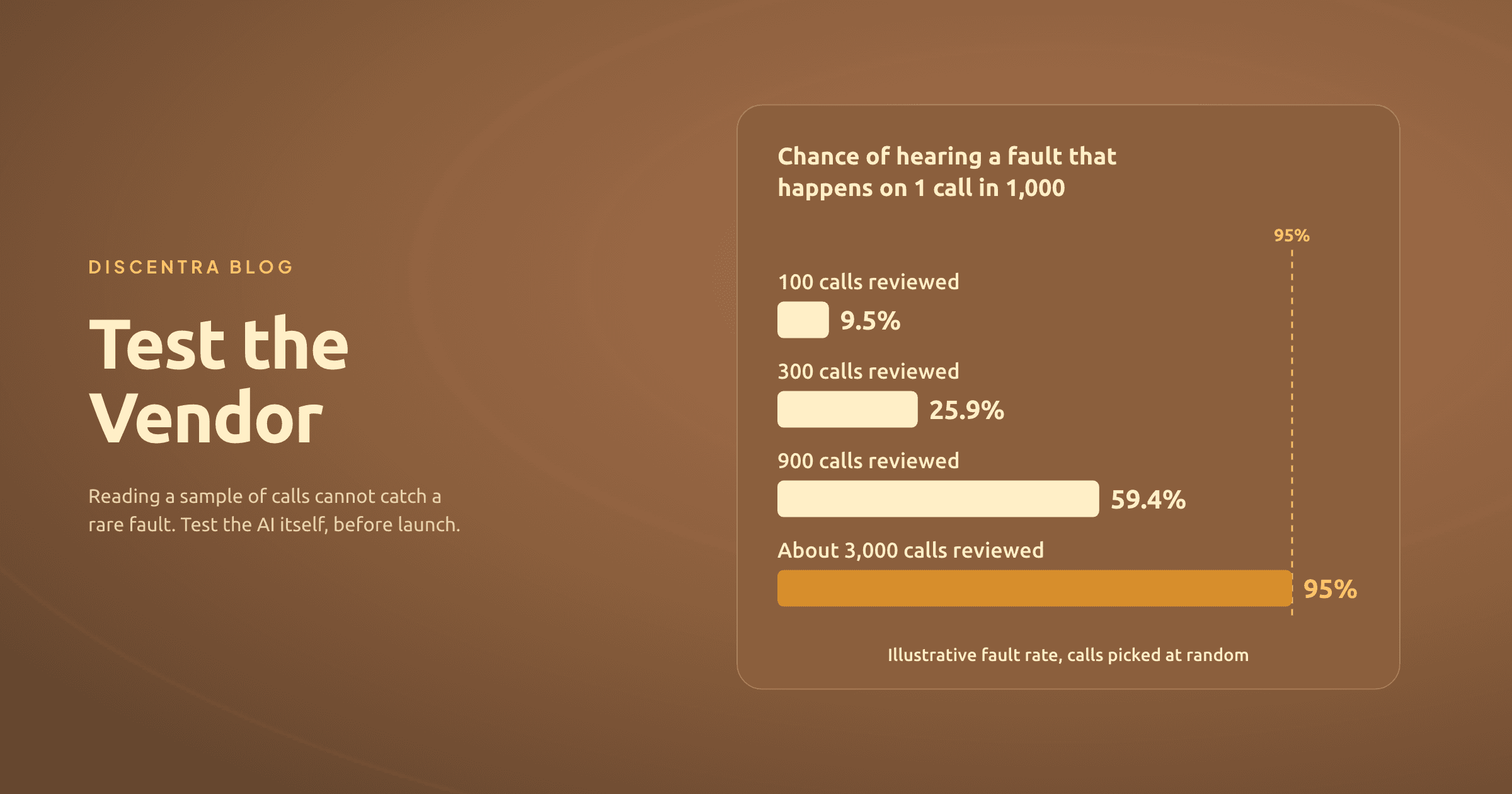
The FCA lists overreliance on untested vendor assurances as an area for improvement. A broker can test a vendor's AI itself before it talks to clients.
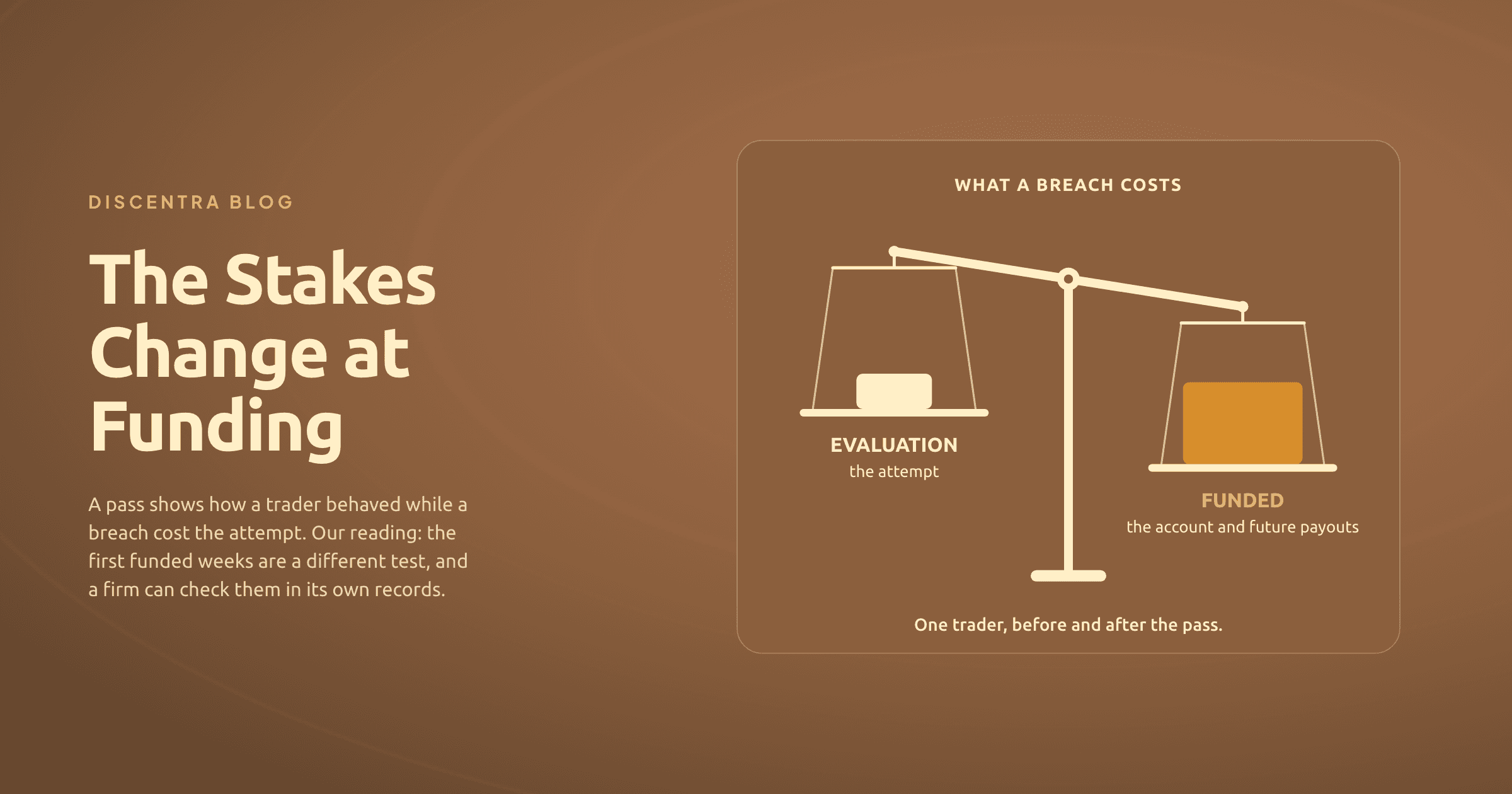
A prop firm evaluation pass is measured while a breach costs a fee. Funding changes what a breach costs, so the first funded weeks need their own reading.
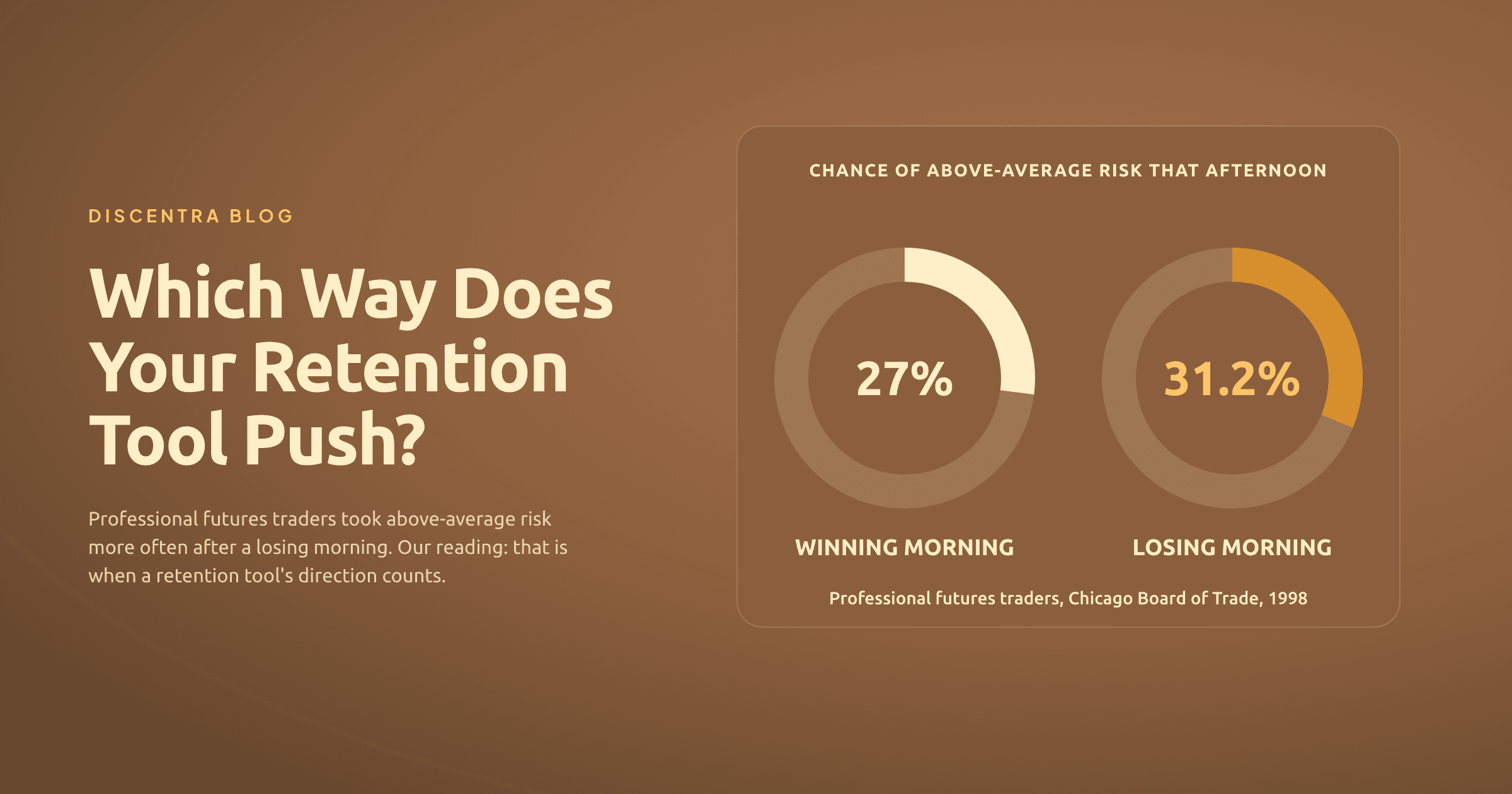
Retention tools sold to brokers and prop firms can push trading in opposite directions. How to tell which way, and why the hours after a loss matter.
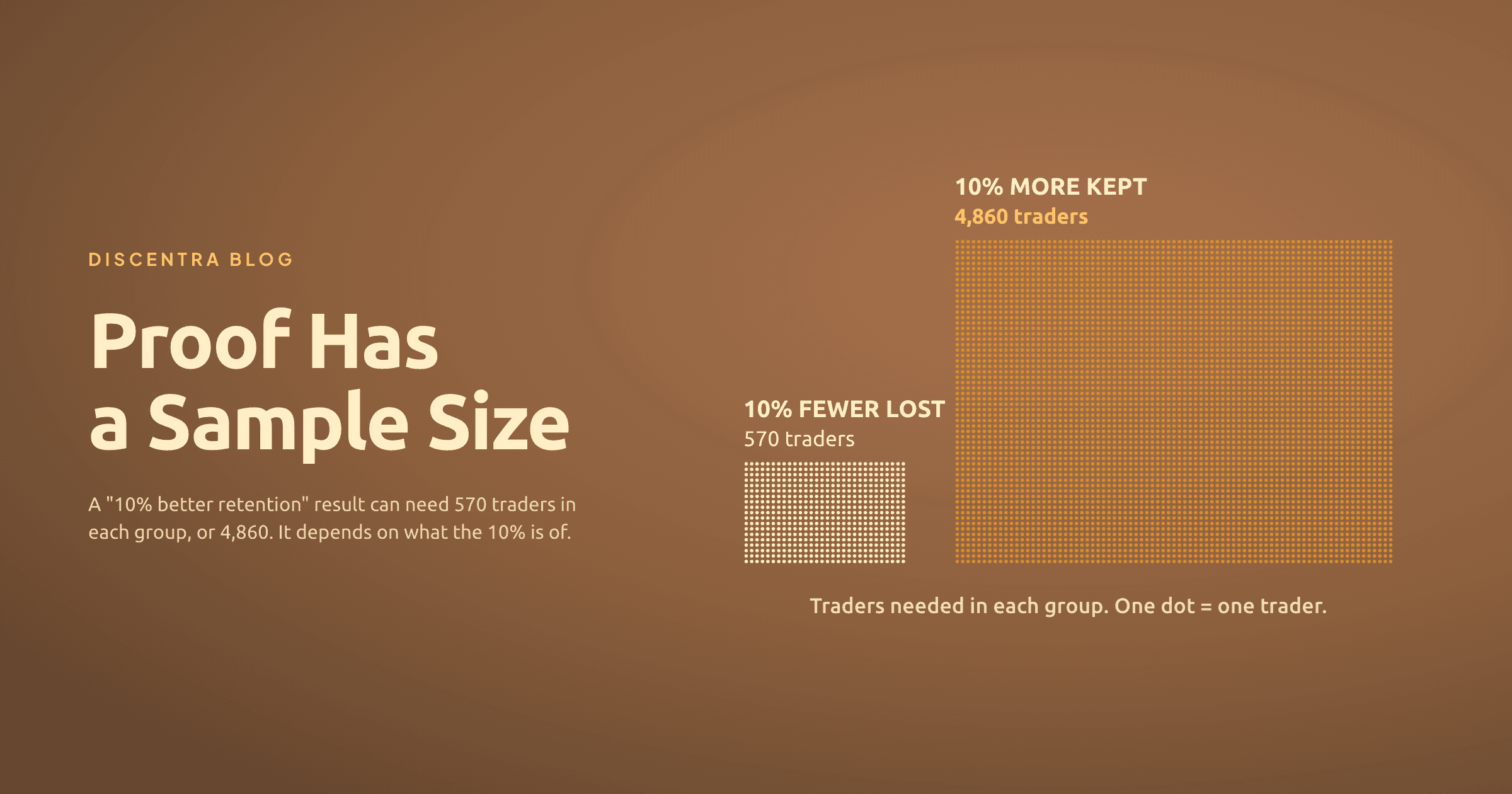
A "10% better retention" claim can need 570 traders per group or 4,860. How to read a retention pilot, and the measure a small one can carry.
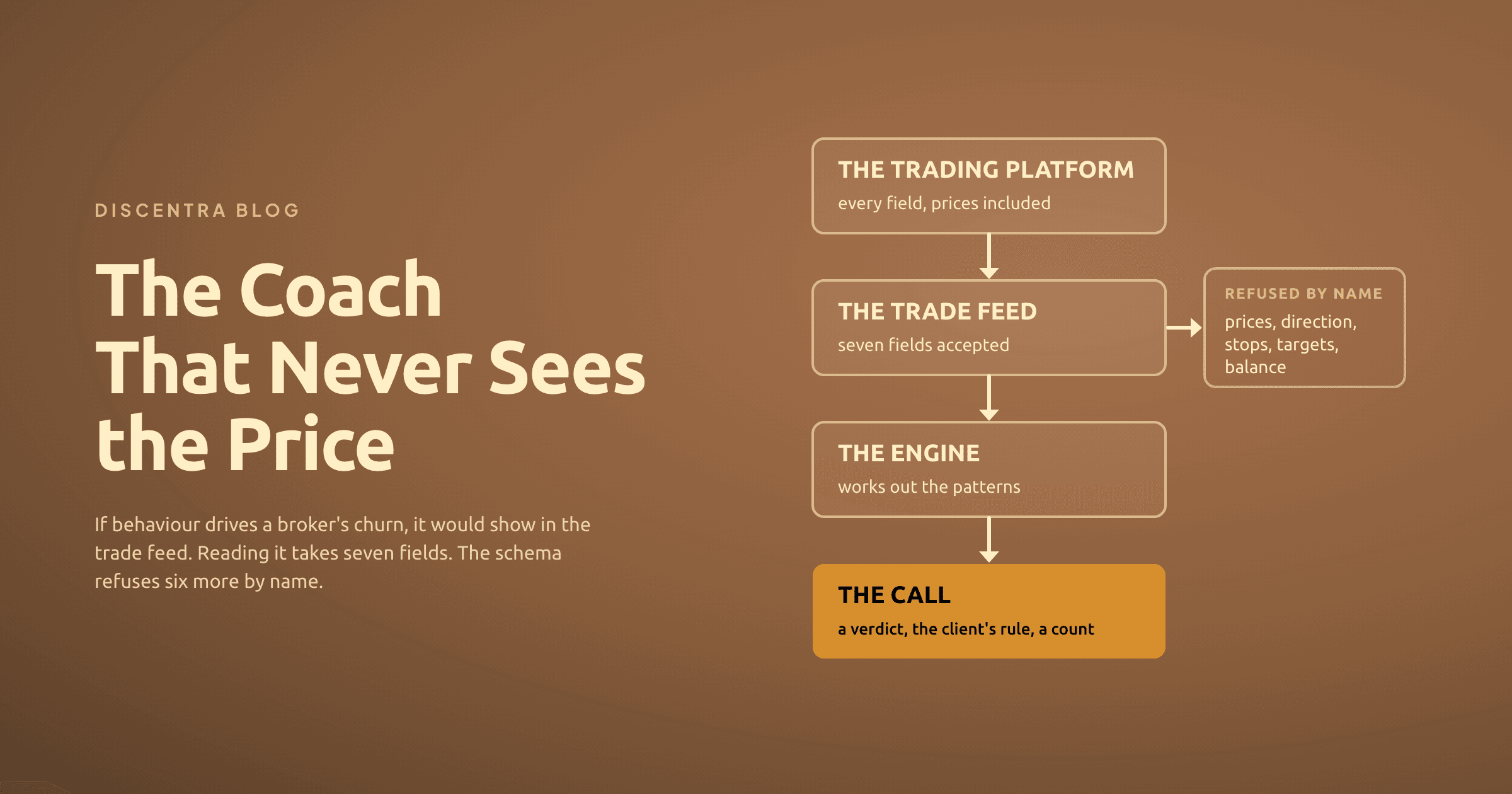
If behaviour drives a broker's churn, it would show in the trade feed. Reading it takes seven fields. Discentra refuses six, including price and direction.
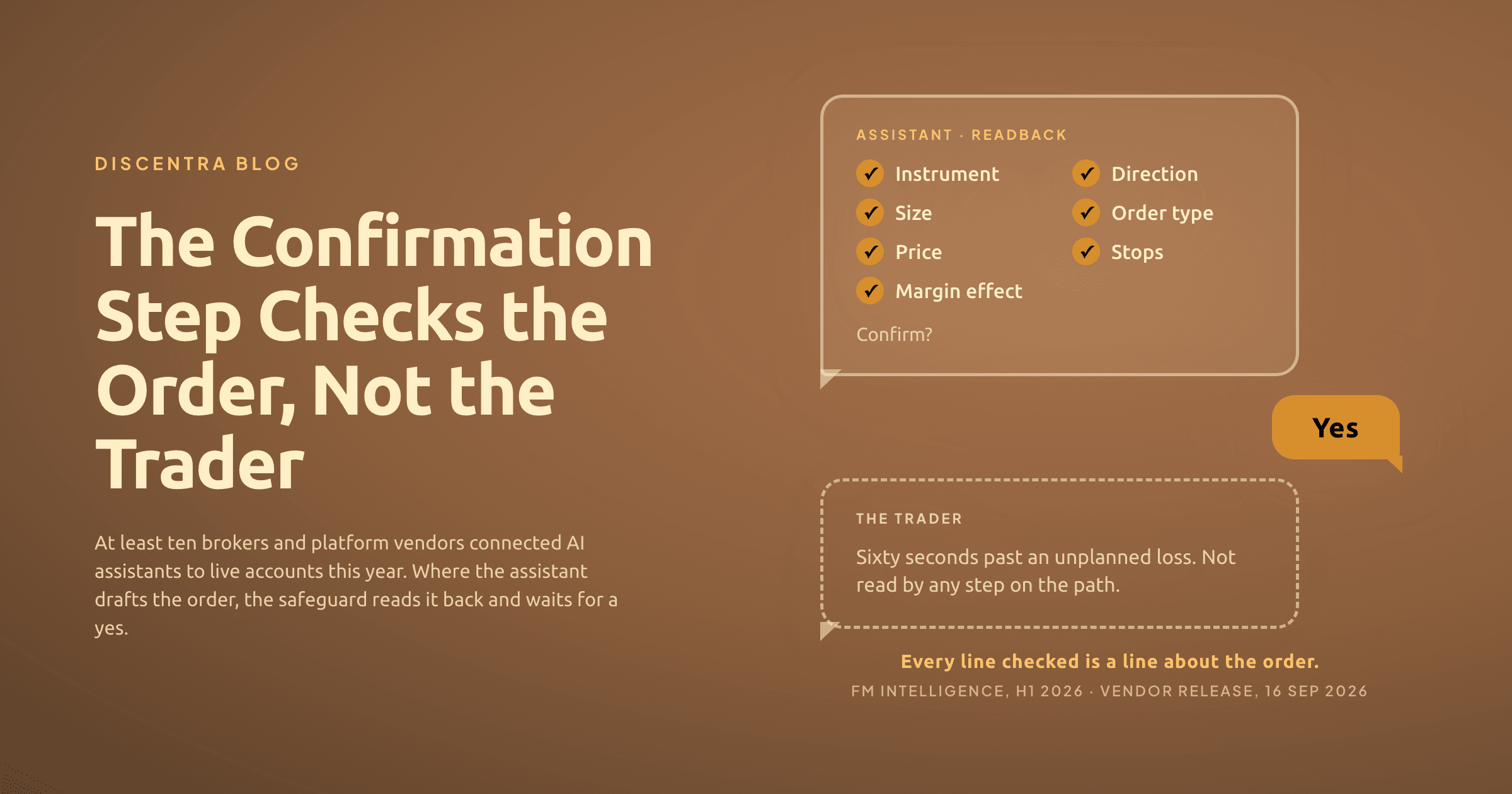
At least ten brokers and vendors connected AI assistants to live accounts this year. The safeguards reported check the order and the money, not the trader.
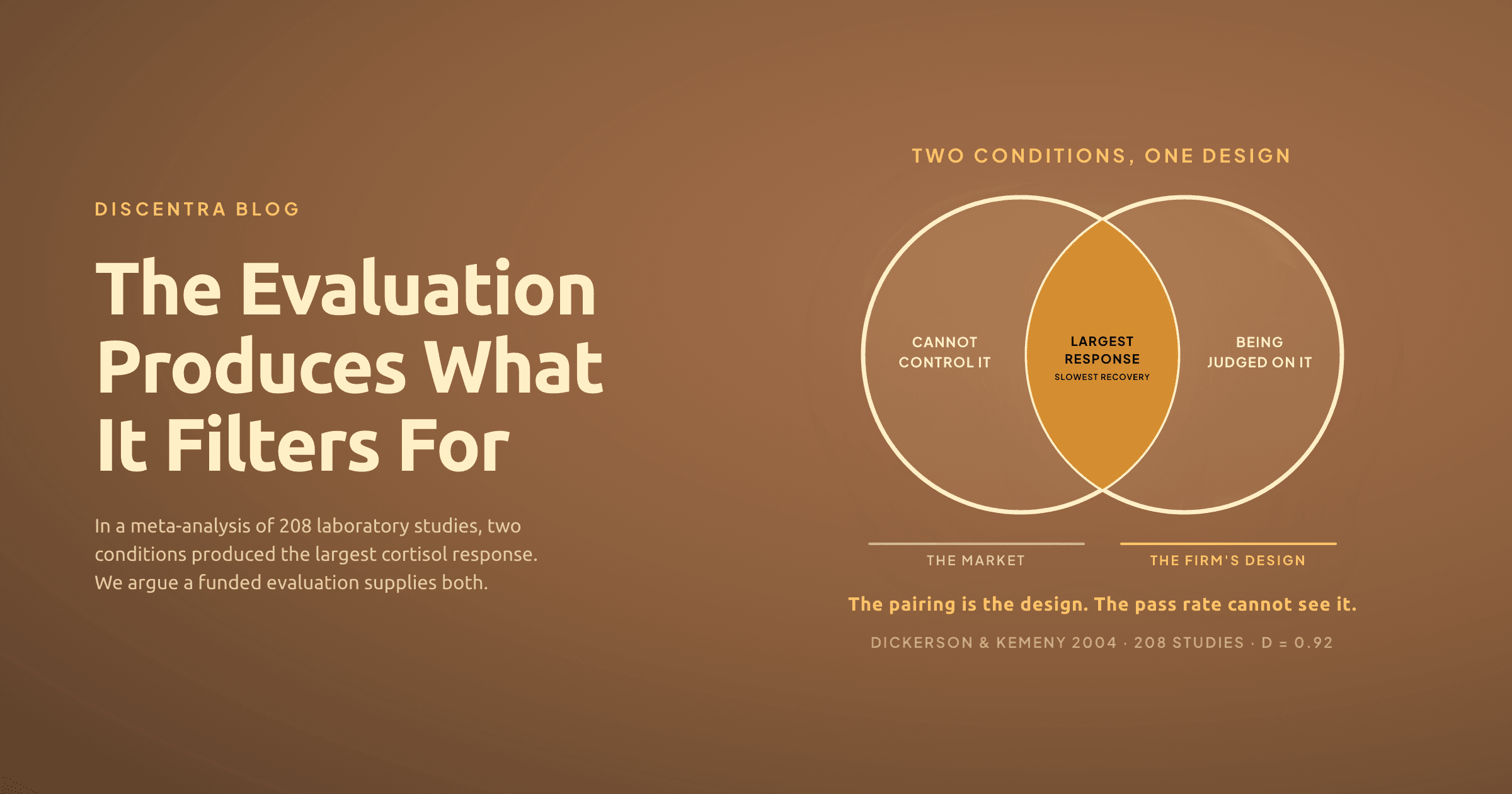
Two conditions produced the largest cortisol response in 208 lab studies. We argue an evaluation supplies both, so it may make part of what it filters out.
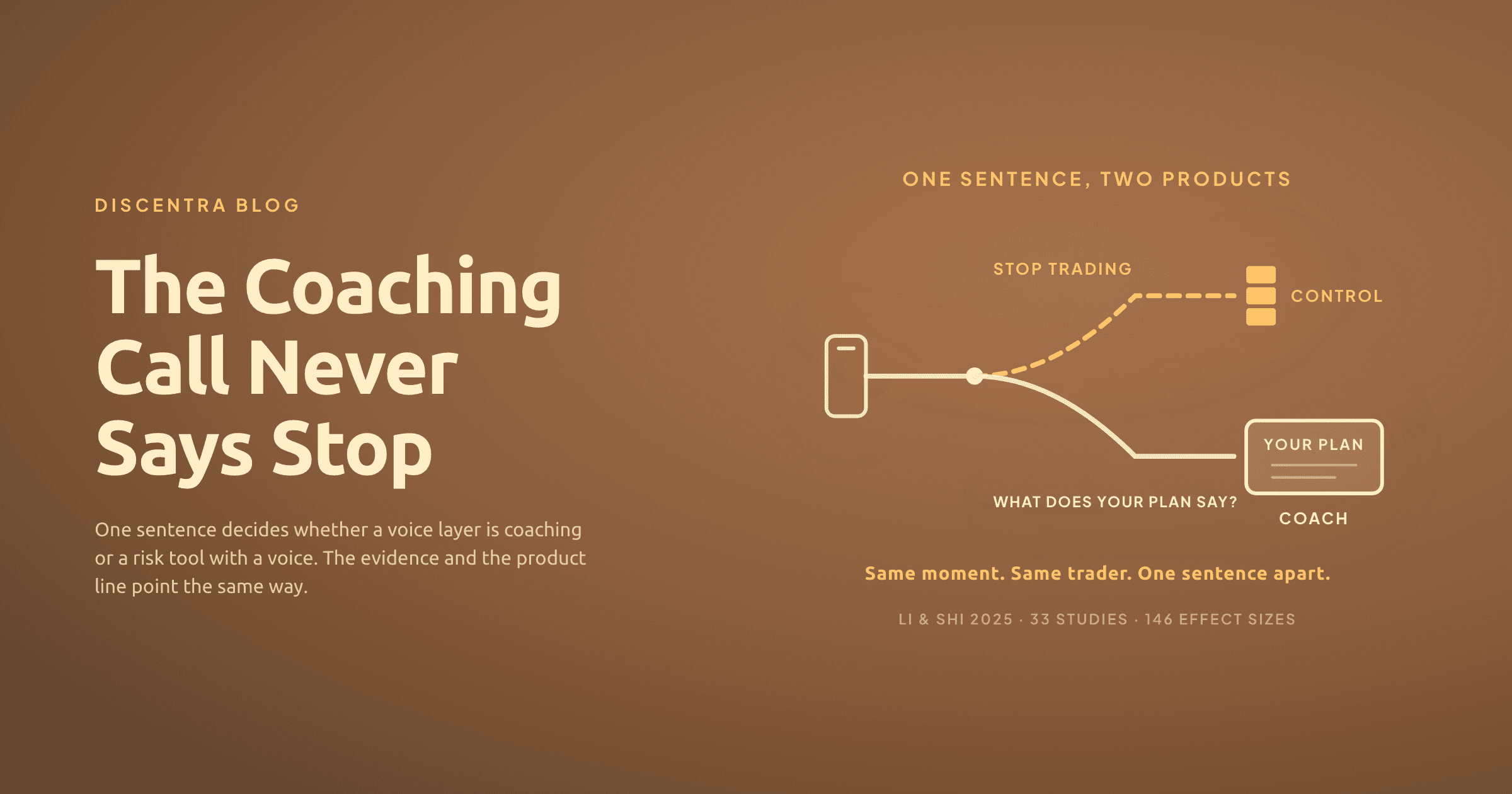
One sentence decides if a coaching call is coaching or a risk tool with a voice. Across 33 studies, commands raised anger, and anger went with less persuasion.
81% of business leaders say their AI announces itself. 22% of customers agree. On a call to a losing trader, that gap is a design problem, and a measurable one.
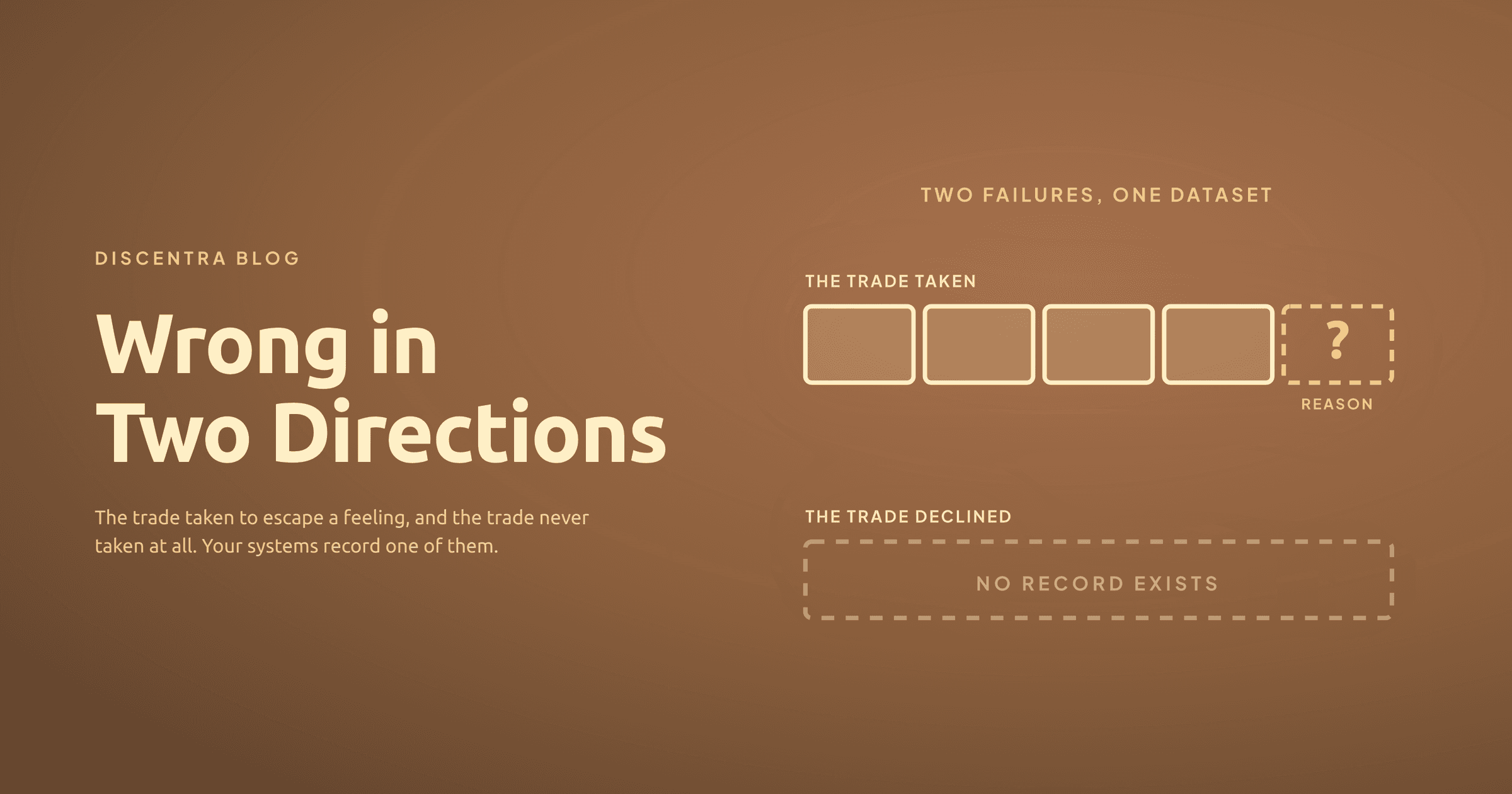
A firm's behavioural record fails in two opposite directions at once, and neither failure arrives looking like missing data. What a finished row hides.
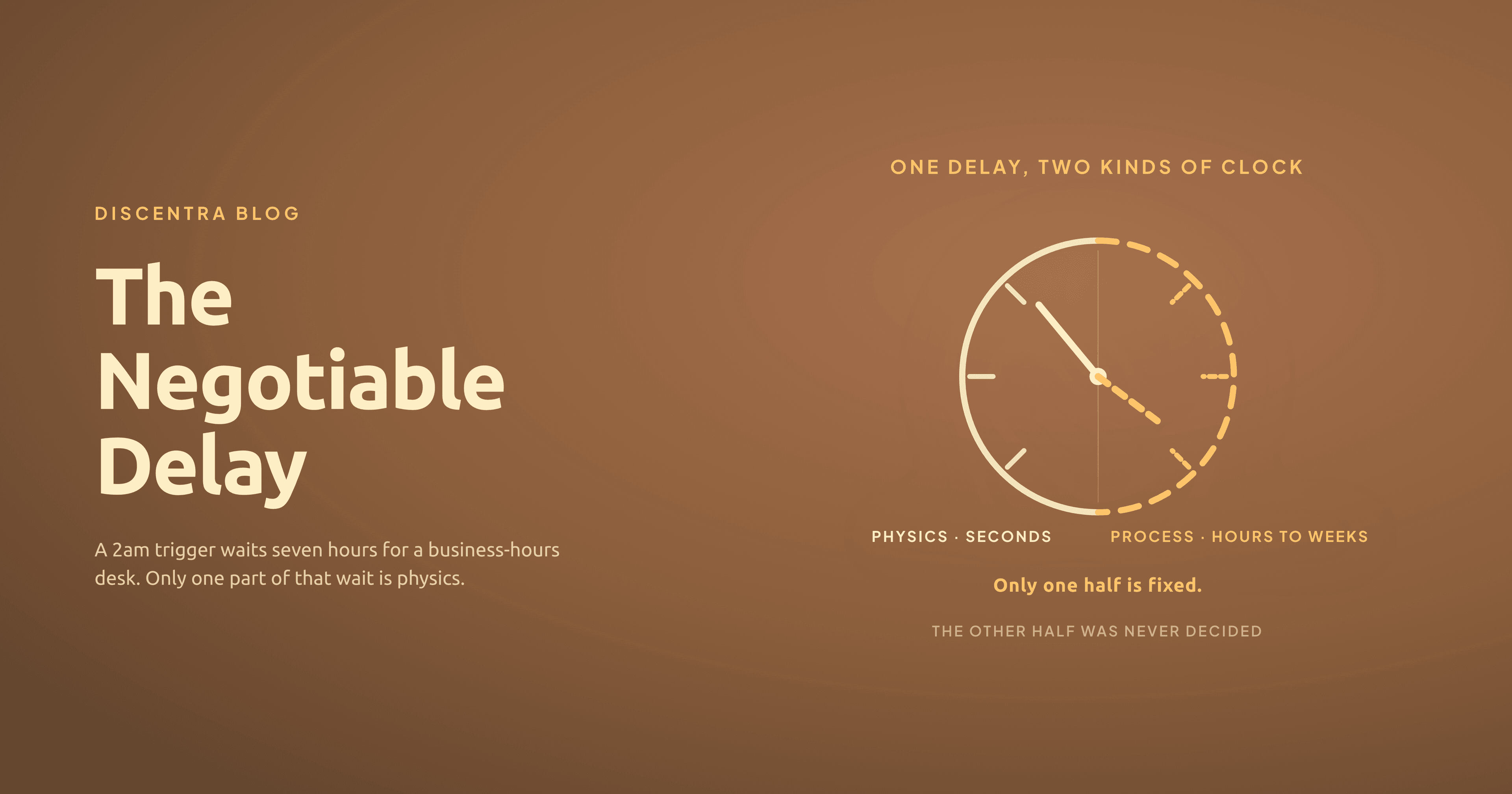
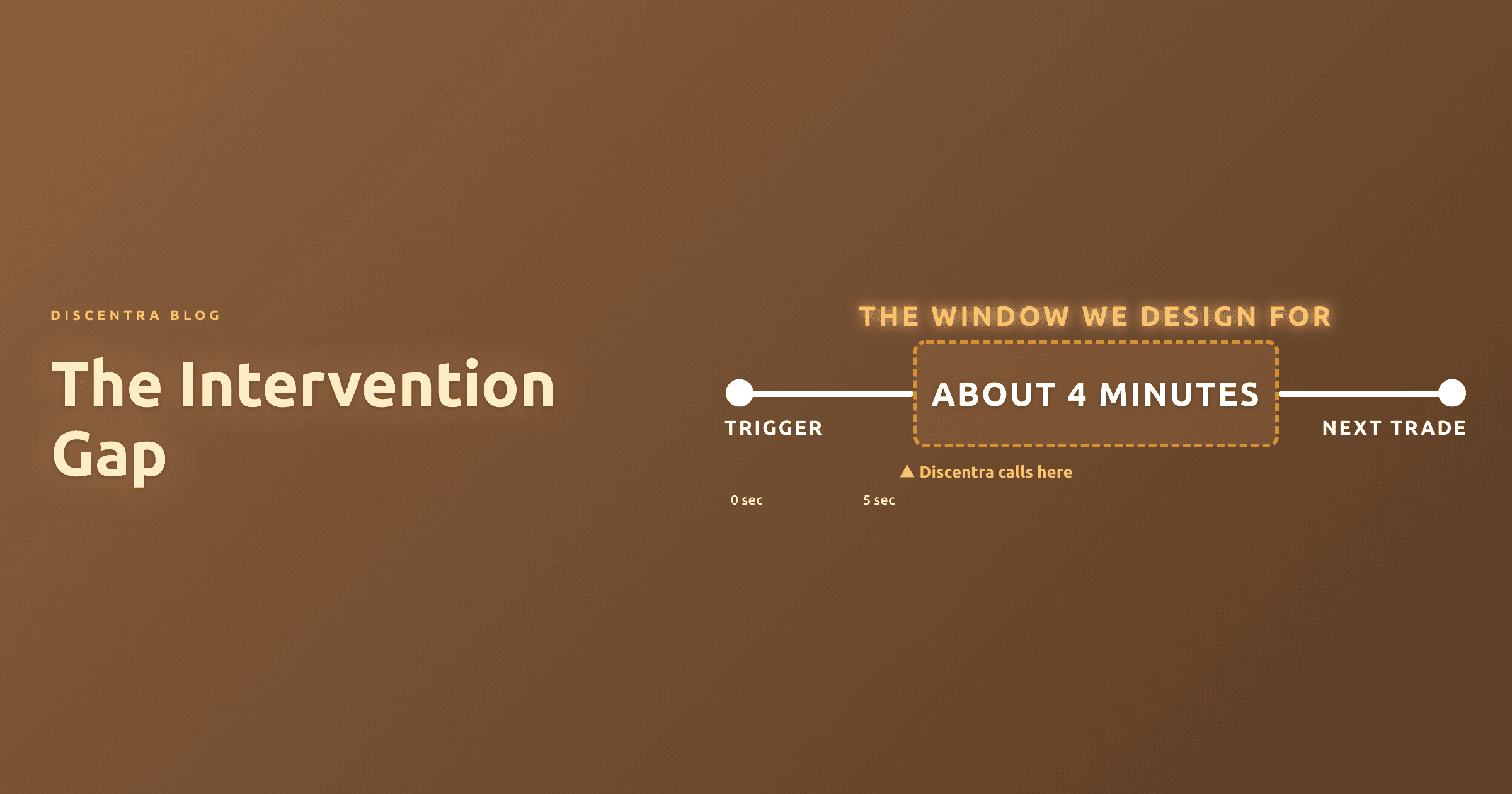
Part of a firm's response time to a tilting trader is fixed by physiology. The rest is process the firm runs. Splitting the two shows what the firm can change.
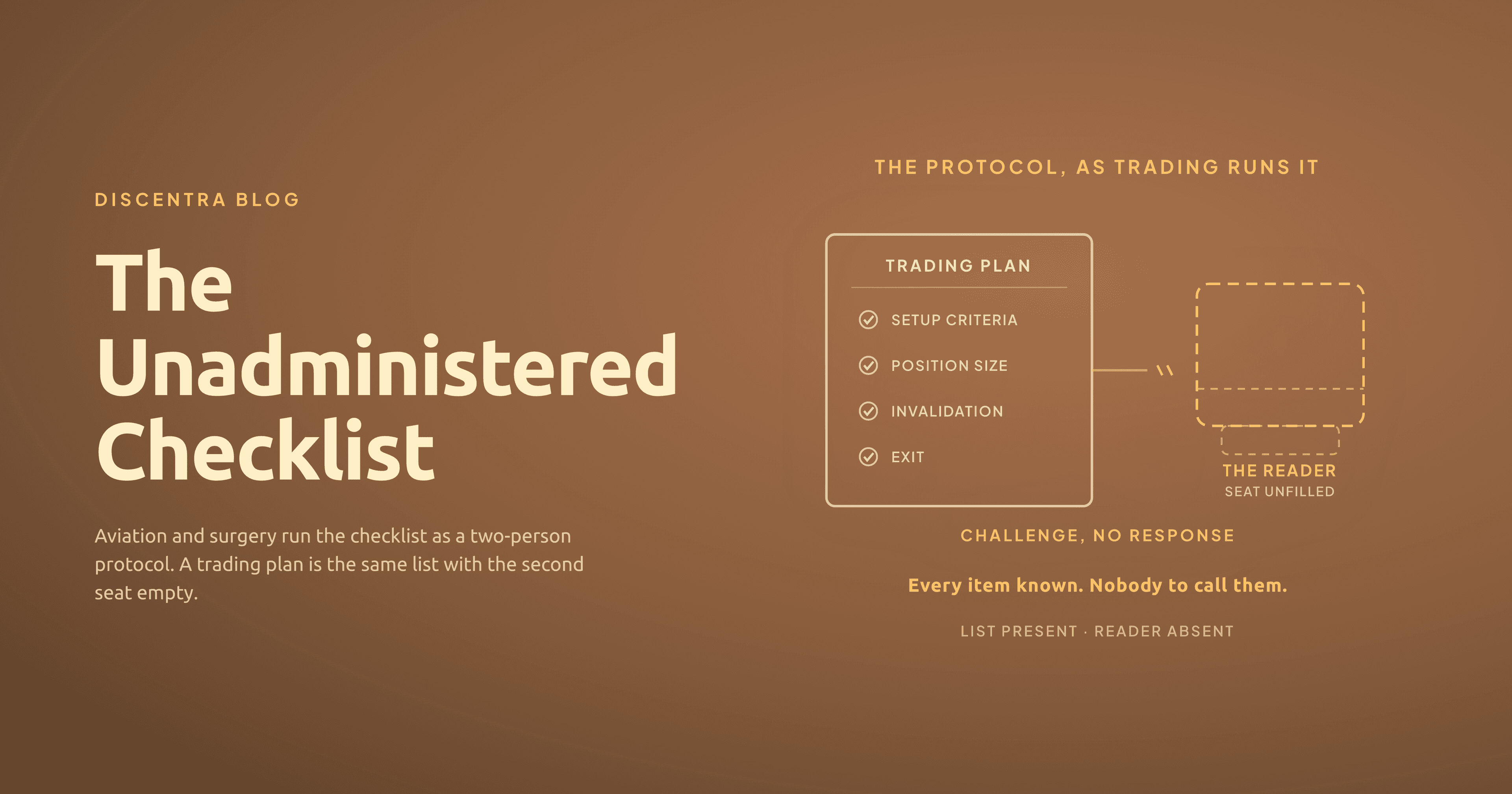
Aviation wrote its checklists for a crew, and surgery's team protocol is associated with fewer complications. Trading plans stop one step short.
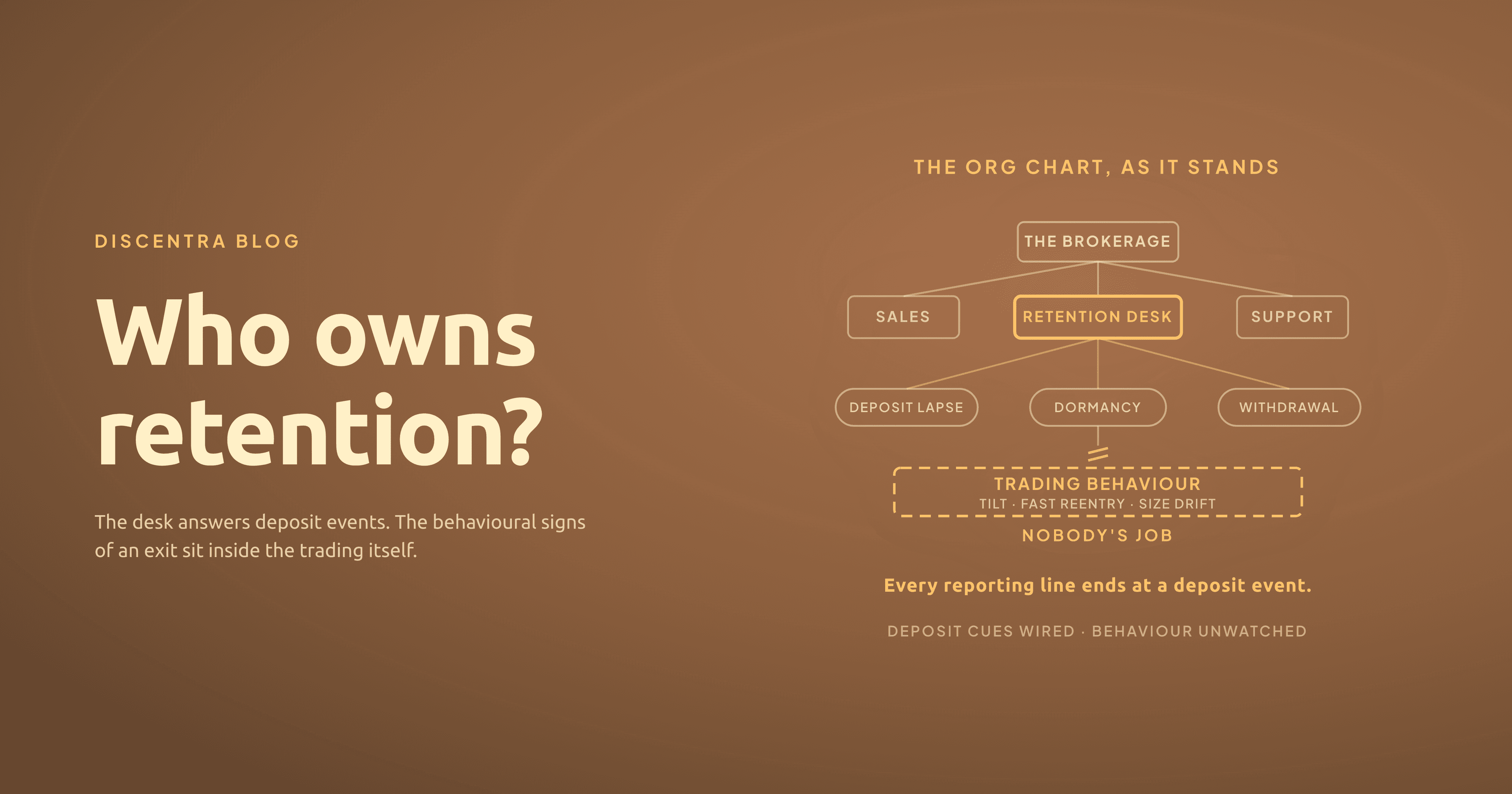
Ask a brokerage who owns retention and you may be pointed at a desk cued by deposit events. The behavioural signs of an exit sit inside the trading itself.
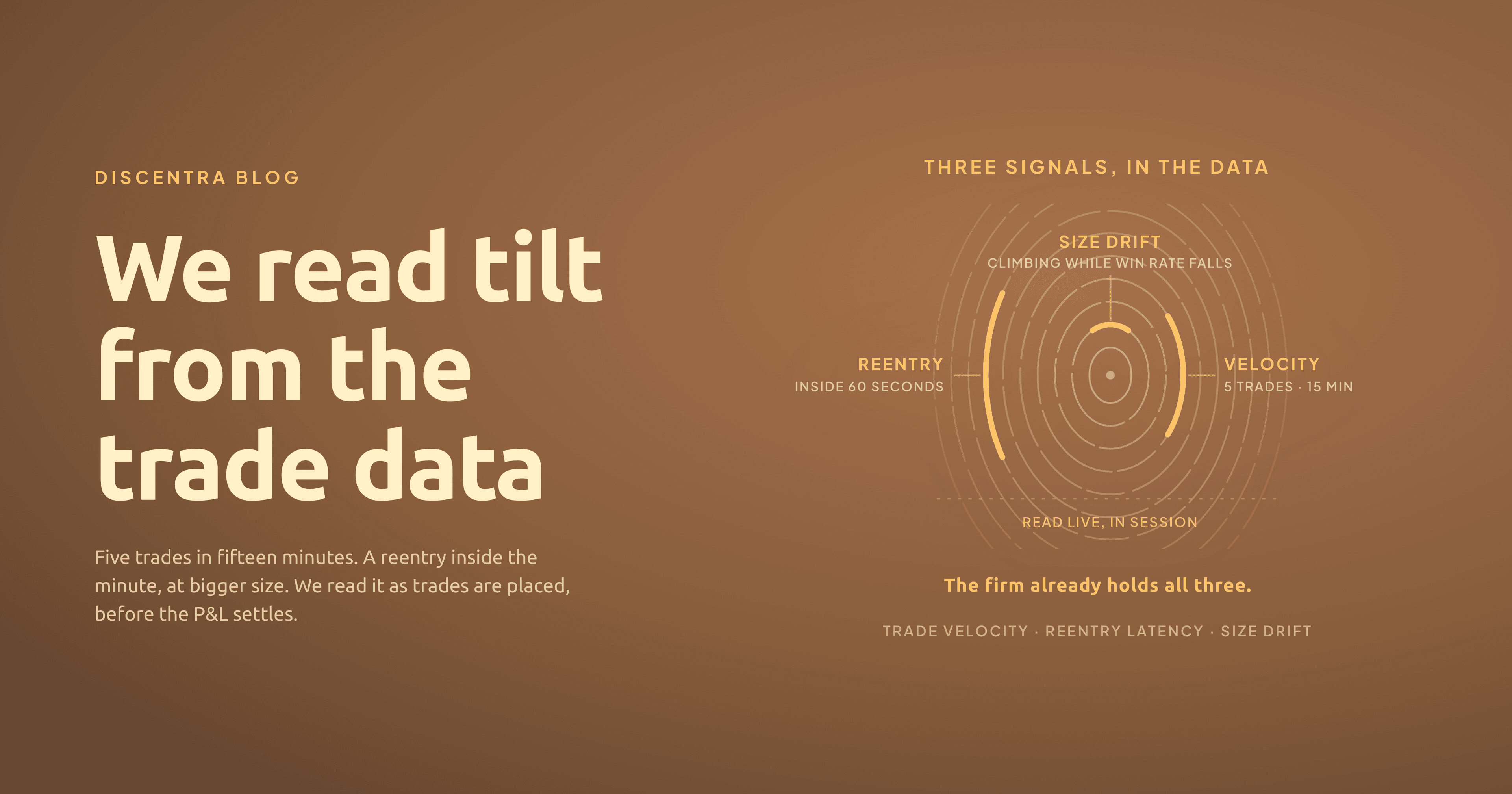
We read tilt from trade speed, reentry and size as trades are placed, before the P&L settles. What real-time detection needs, and why the stack reads it late.
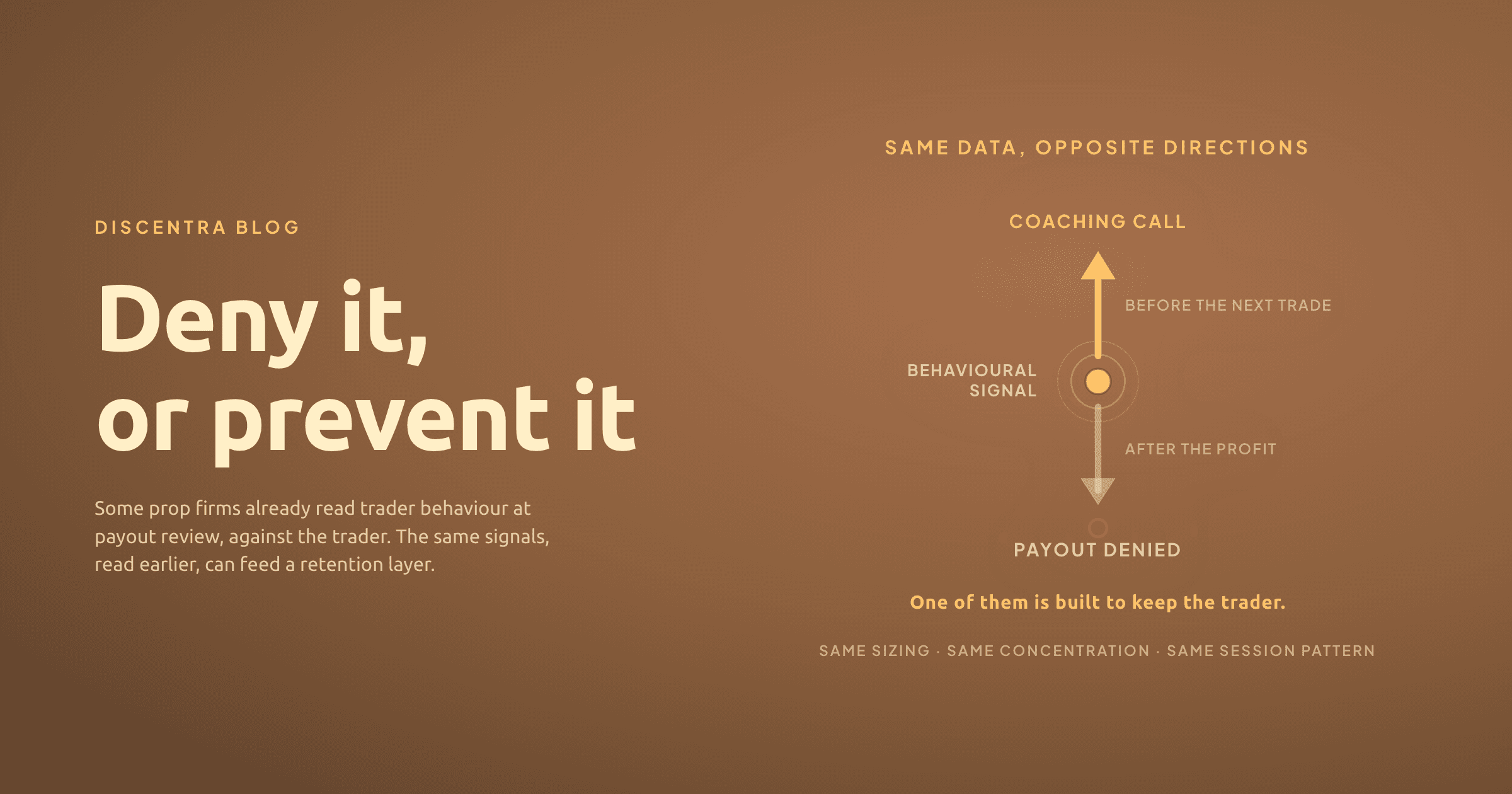
Some prop firms already read trader behaviour at payout review, against the trader. The same signals, read earlier, can feed a retention layer.
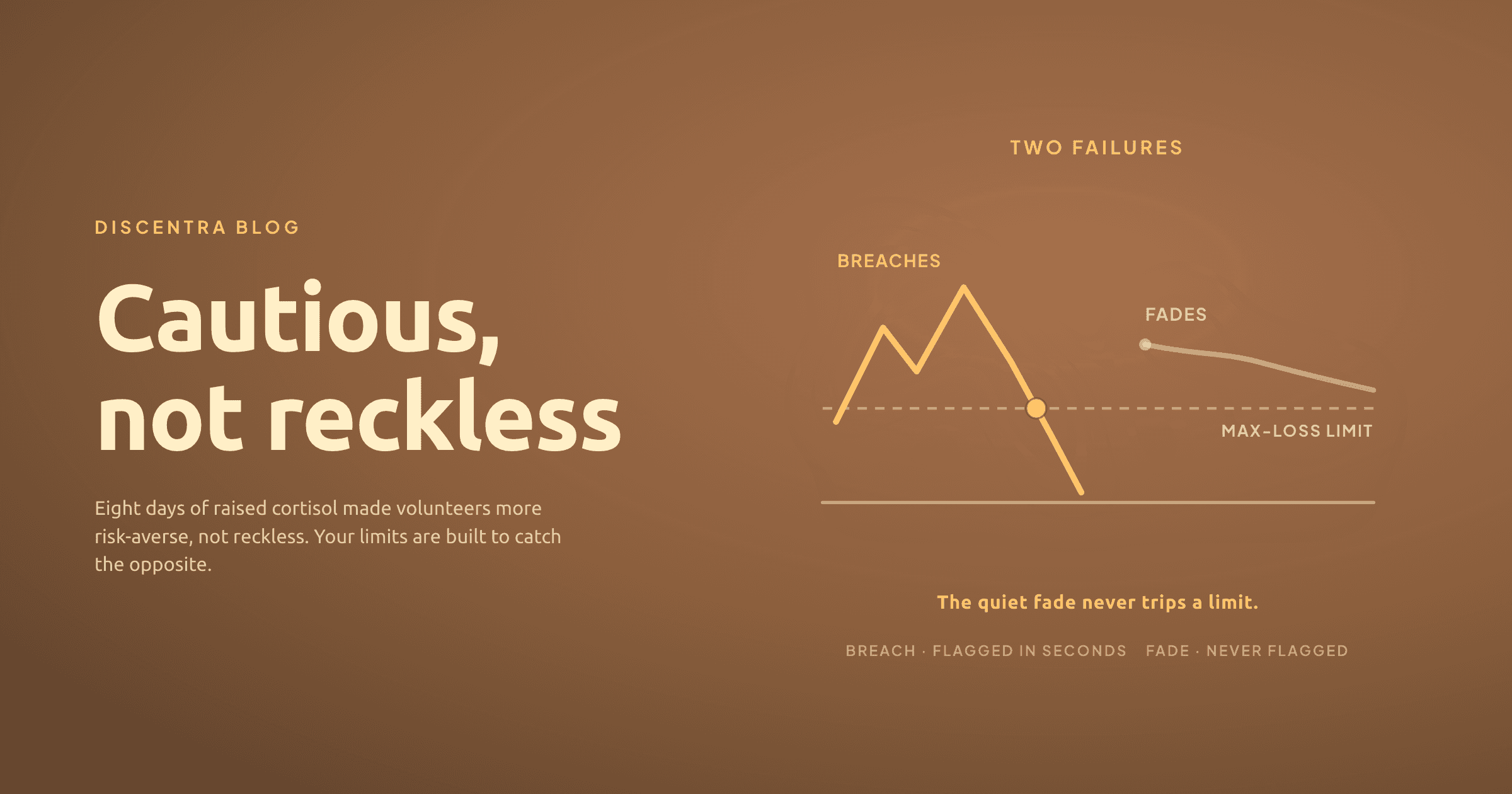
Eight days of raised cortisol made volunteers more risk-averse, not reckless. A trader who faded that way would never touch your max-loss limits.
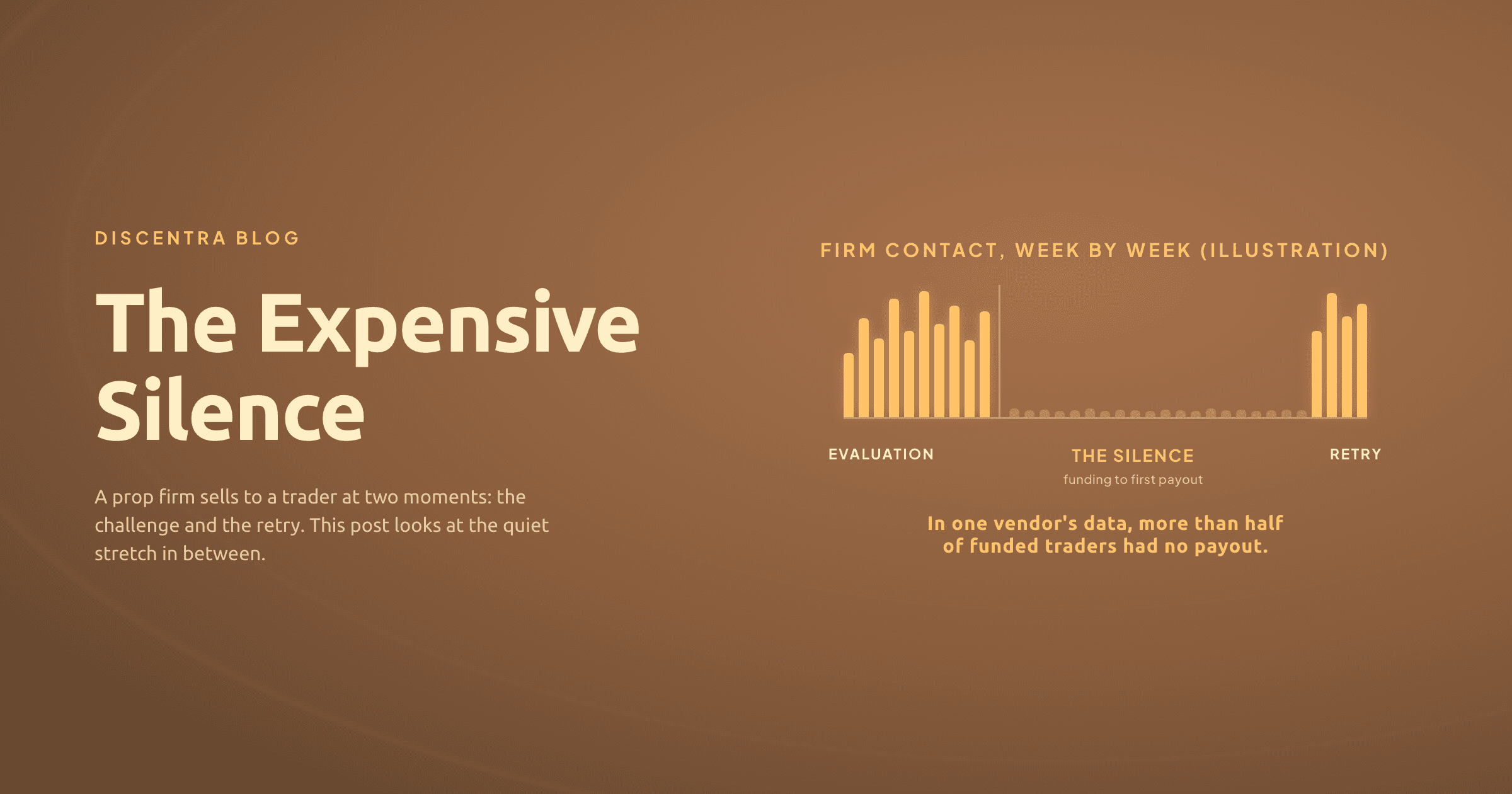
A prop firm sells to a trader at two moments: the challenge and the retry. This post looks at the quiet stretch in between, from funding to first payout.
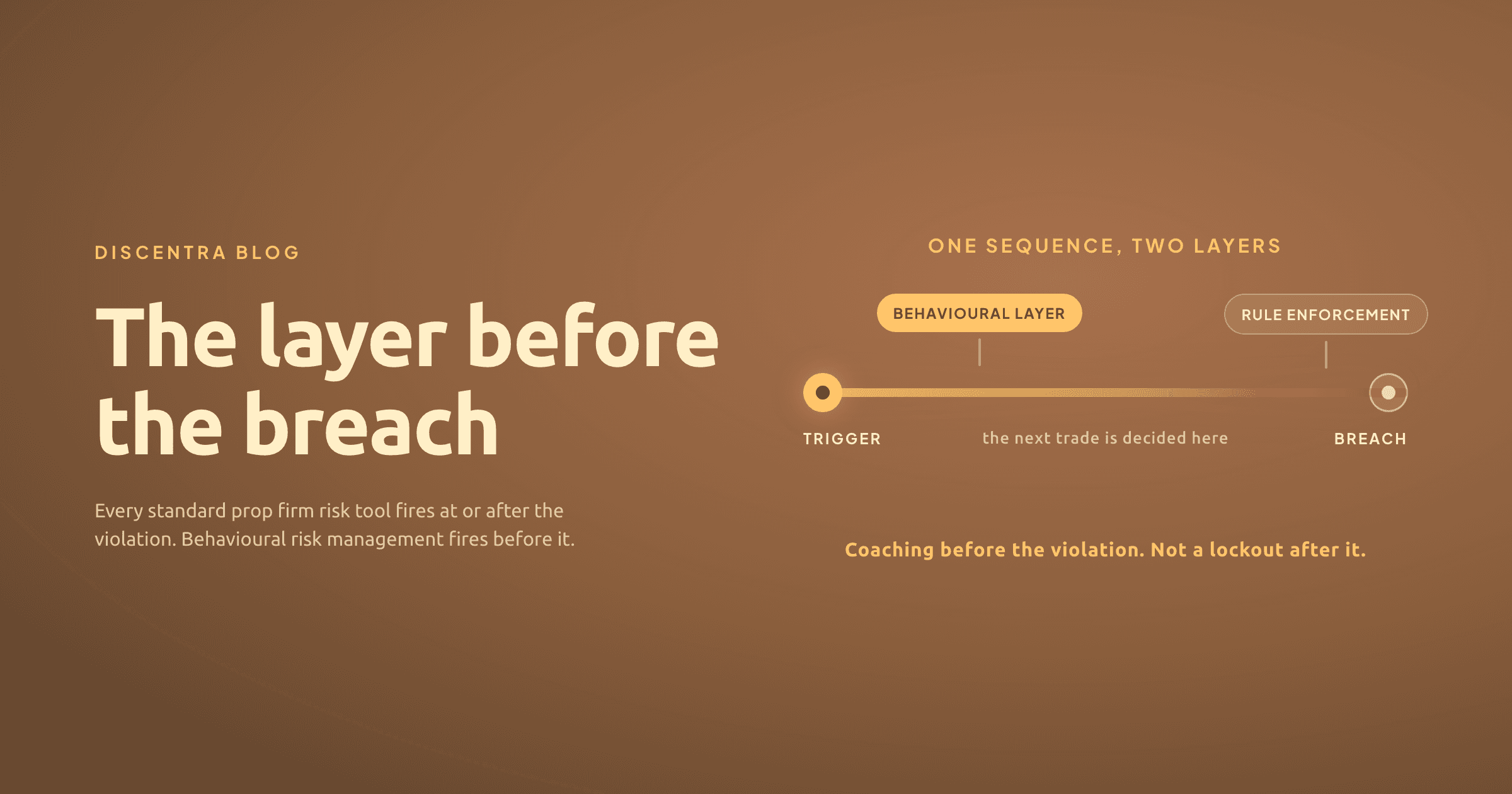
Prop firm risk tools fire at or after the breach. Behavioural risk management is the layer that reaches the trader before it. Here is the difference.
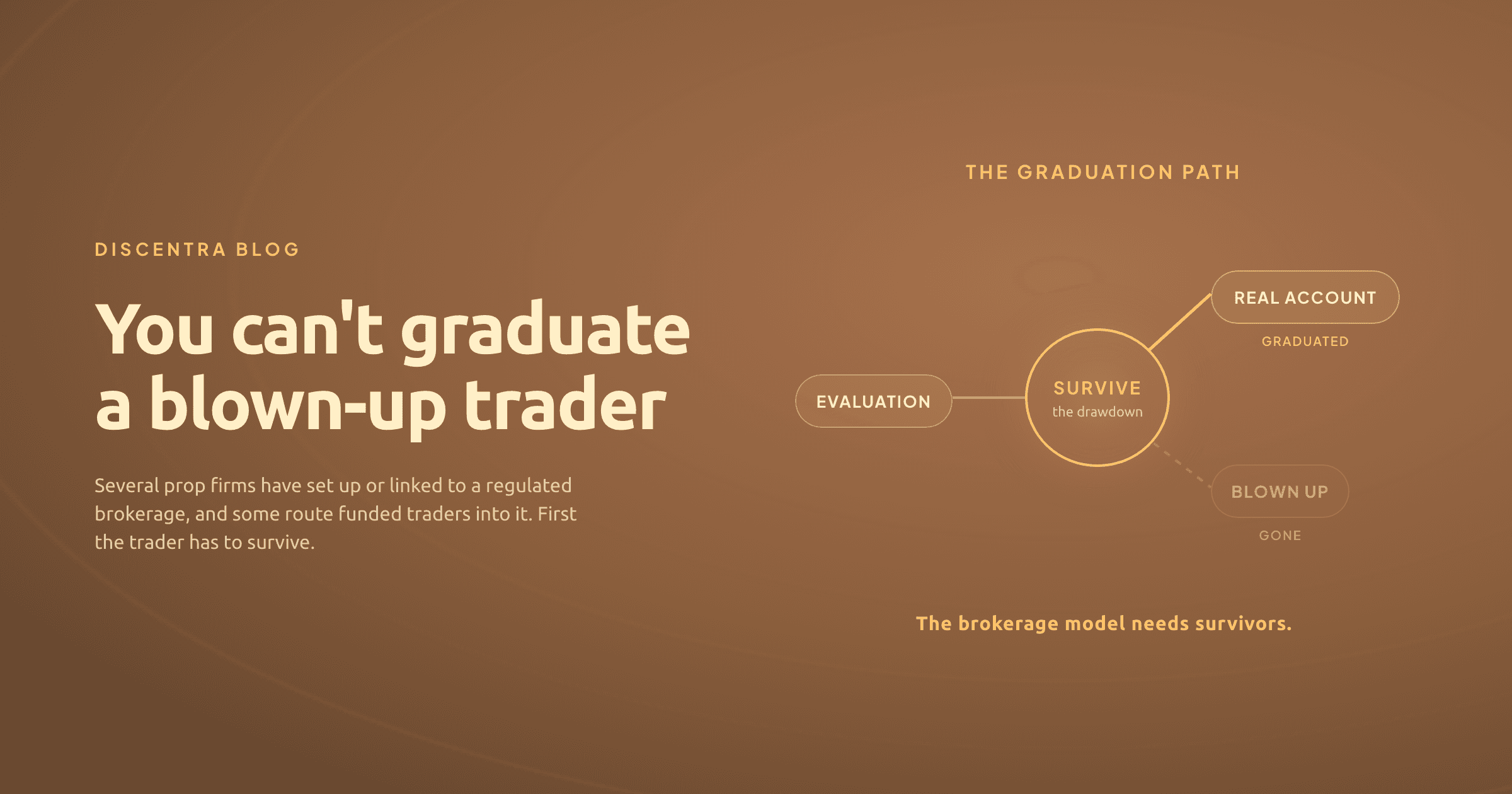
Some prop firms are adding brokerages to earn commission on funded traders. For the traders routed to the market, it pays off only if they survive.
Should a prop firm build its own AI coach? The bot ships in a weekend. Most of the work is what makes a coach safe to call a funded trader at 2am.
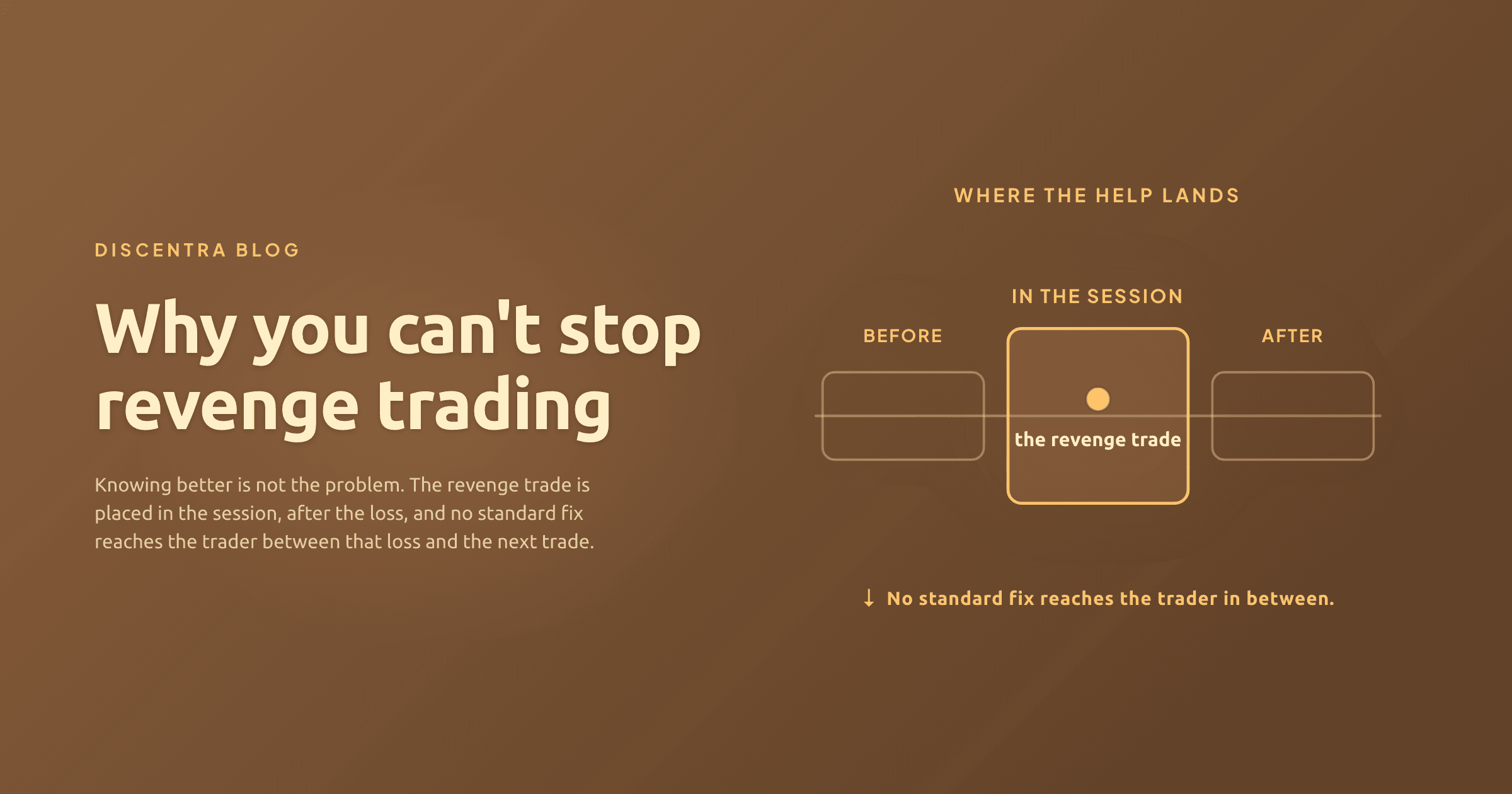
You know revenge trading costs you, and you do it anyway. The usual fixes come before the session or after it, or leave you alone in the minutes after a loss.
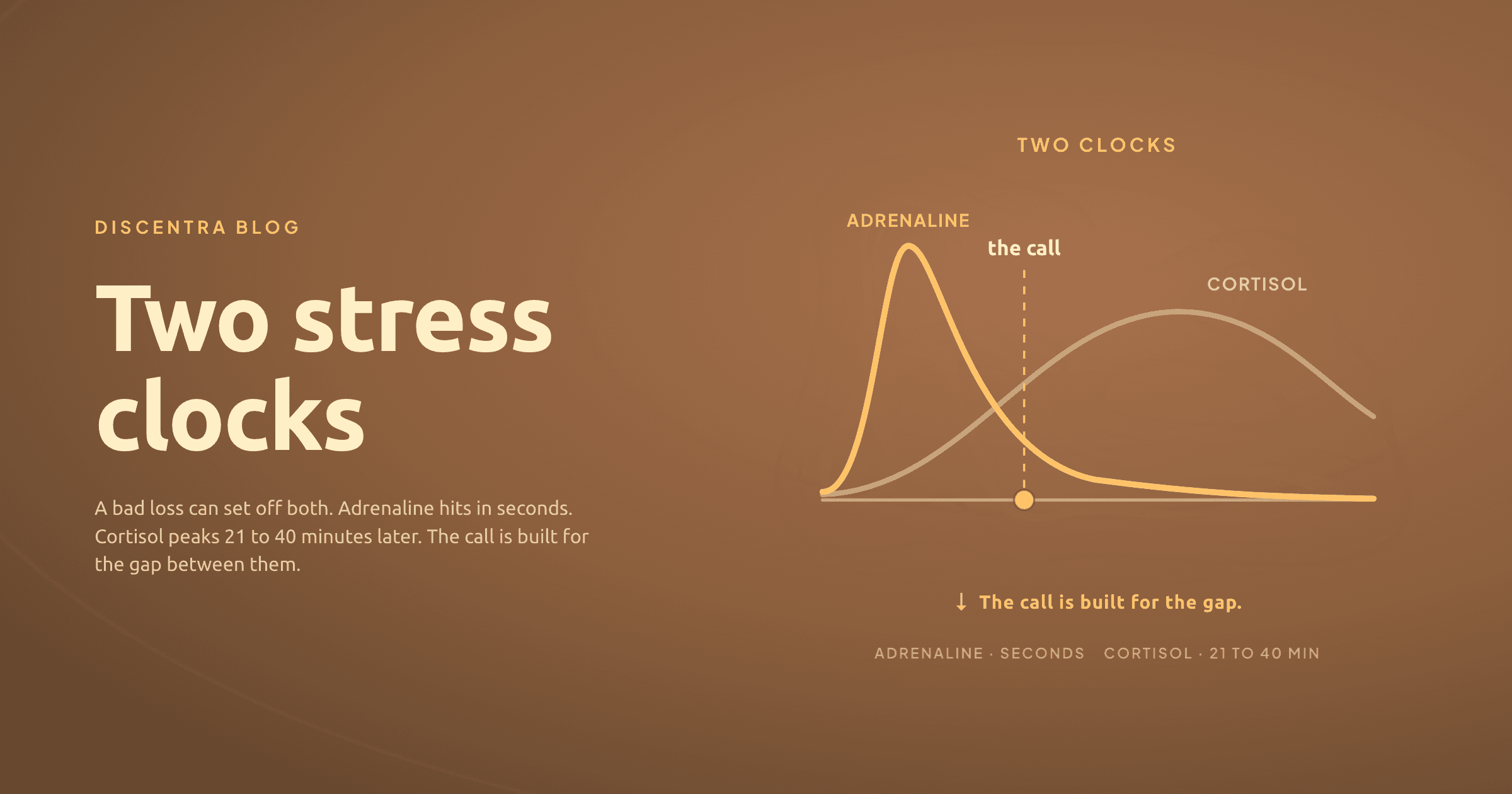
Adrenaline hits in seconds. Cortisol peaks 21 to 40 minutes later. Our coaching call is built for the minutes in between, before the next trade.
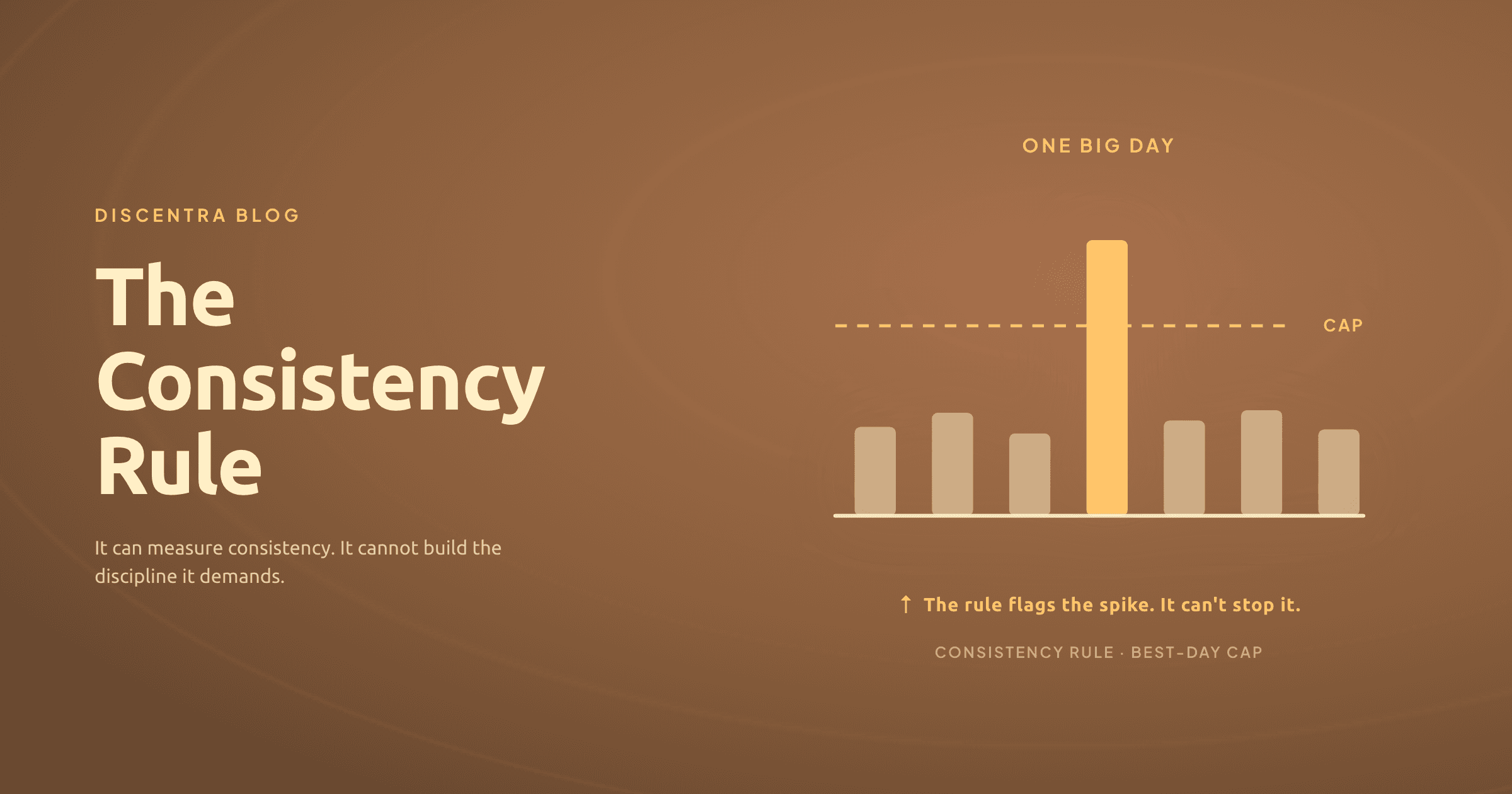
Prop firms cap one day's share of profit to filter for discipline. A payout rule can measure consistency. It cannot build it. Here is the missing layer.
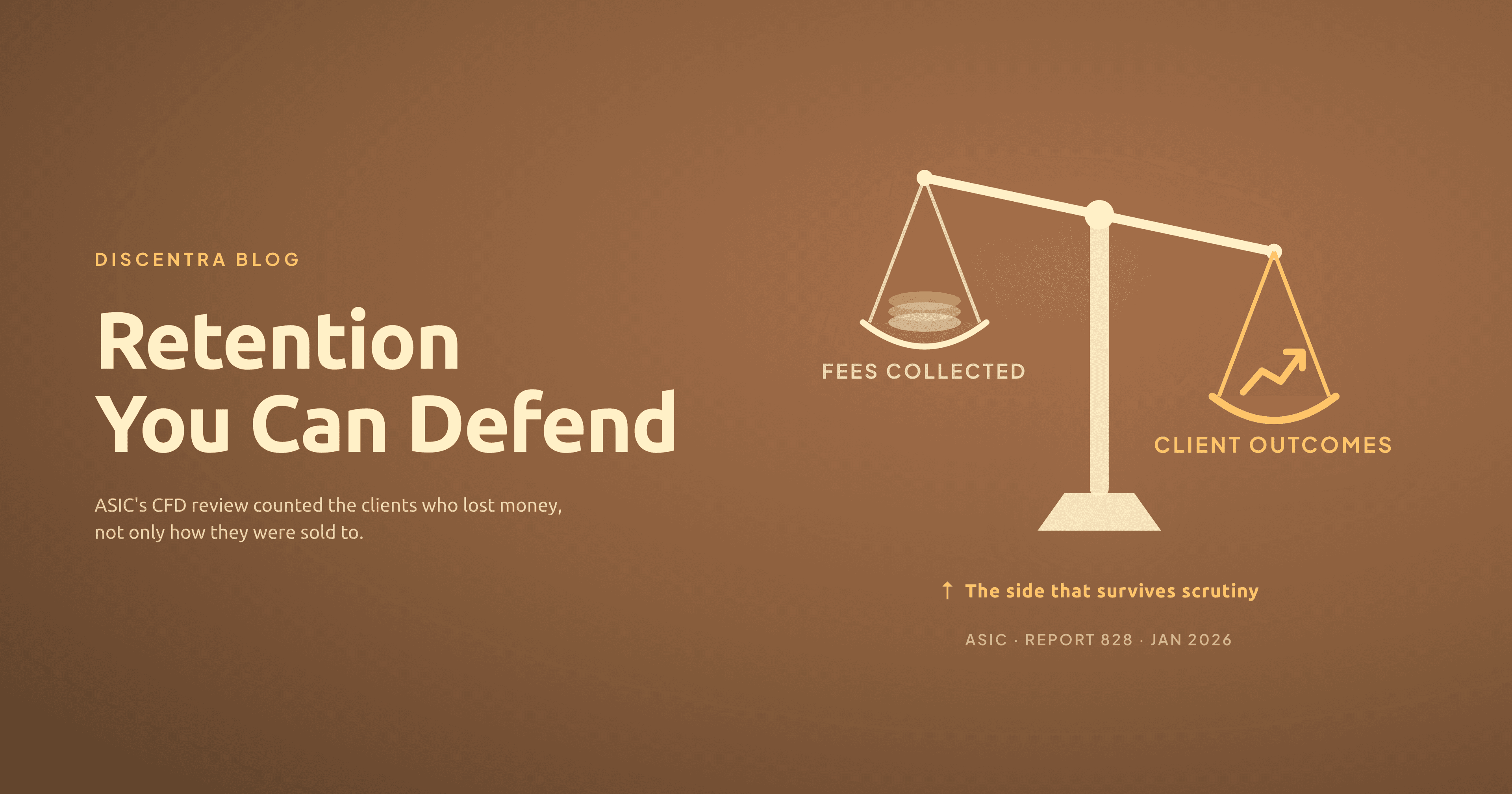
ASIC's CFD review counted the clients who lost money, not only how they were sold to. The retention prop firms can defend is the kind that helps the trader.
Prop firm academies teach the rulebook. Education cannot reach the minutes between a trigger and the next trade, where the rulebook has to run.
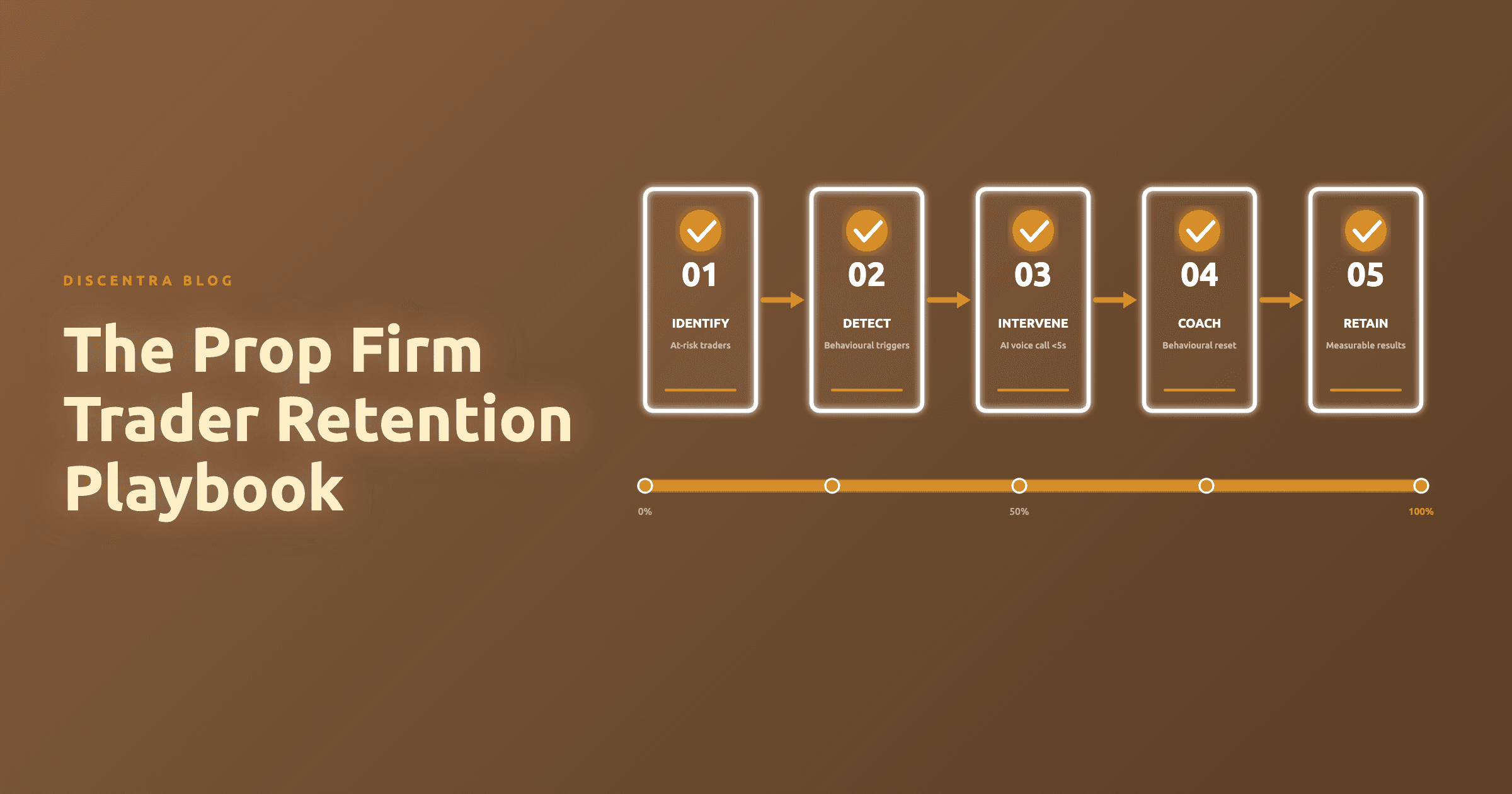
How do prop firms retain funded traders? Five plays aimed at the behaviour that ends funded accounts, none of which lower fees or raise splits.
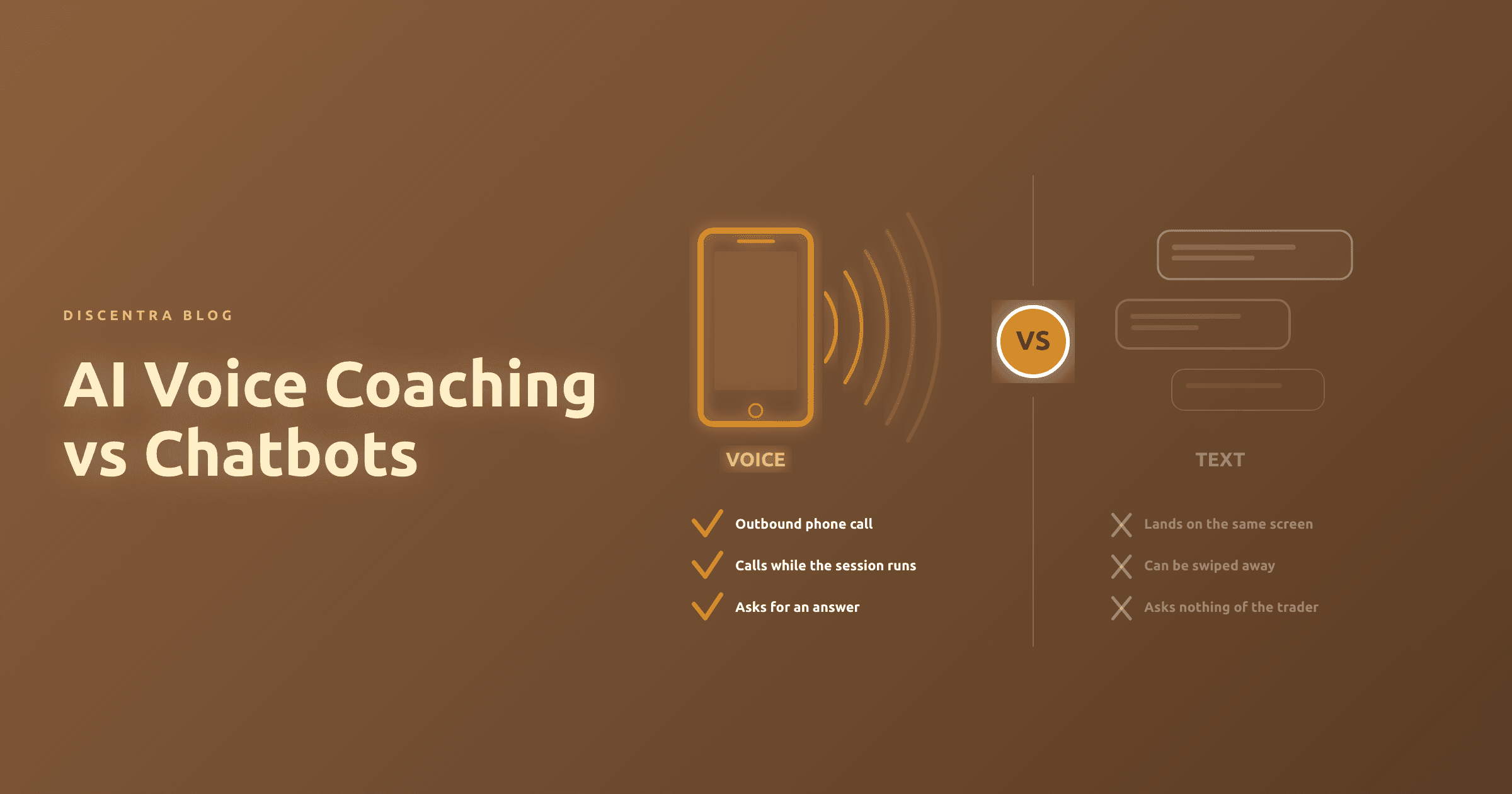
Chatbots notify. A phone call asks for an answer. Why we design behavioural coaching around a call, not a text alert, for the moment before the next trade.
Journals, dashboards and CRMs report after the session, and education comes weeks before it. The case for reaching the trader before the next trade.
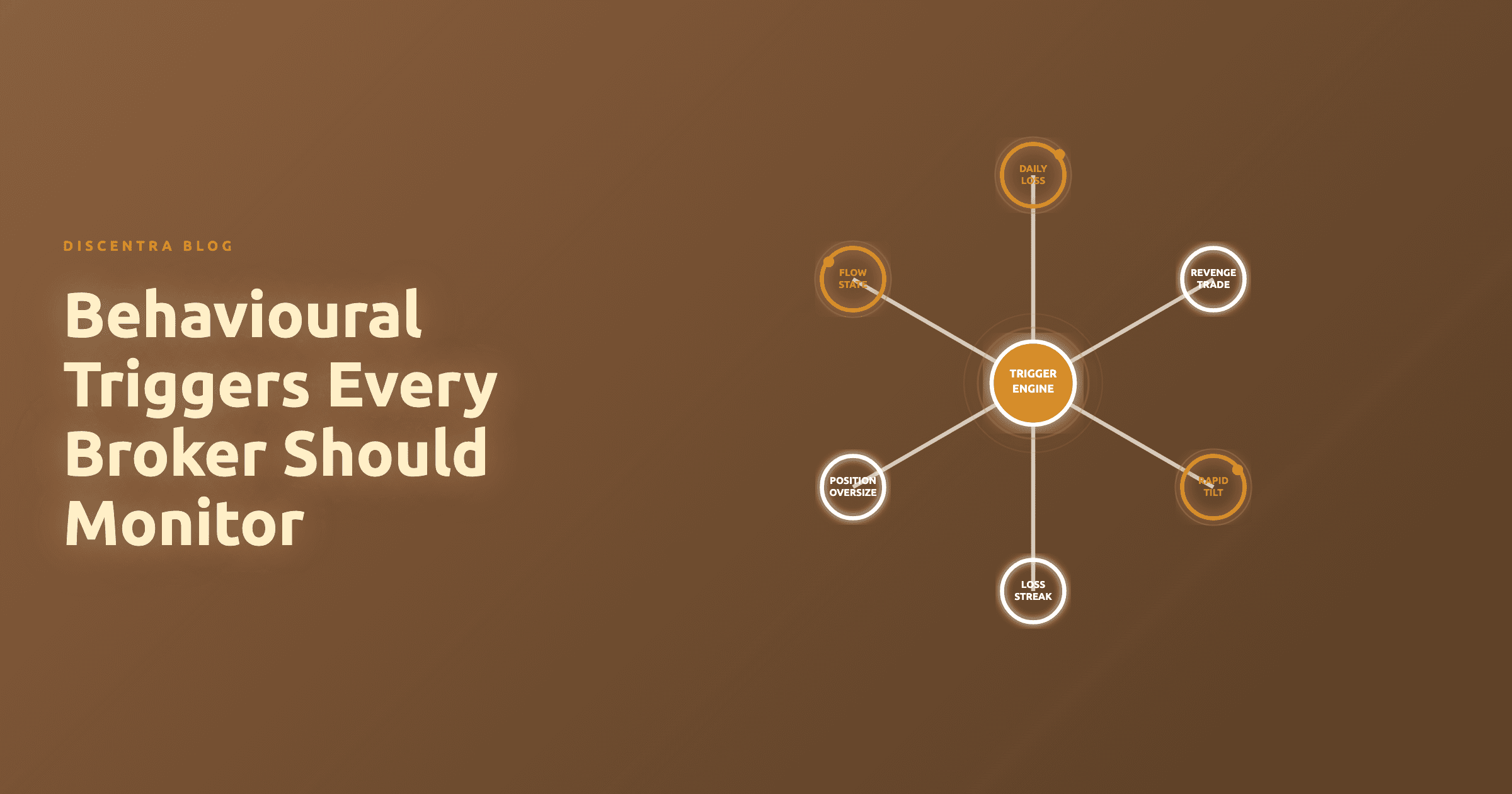
Six behavioural patterns worth watching before an account blows up. Most trading platforms track the trade. These six track the trader.
Churn rate moves after traders leave. These five warning signs can show up earlier in a firm's own data, while there is still time to intervene.
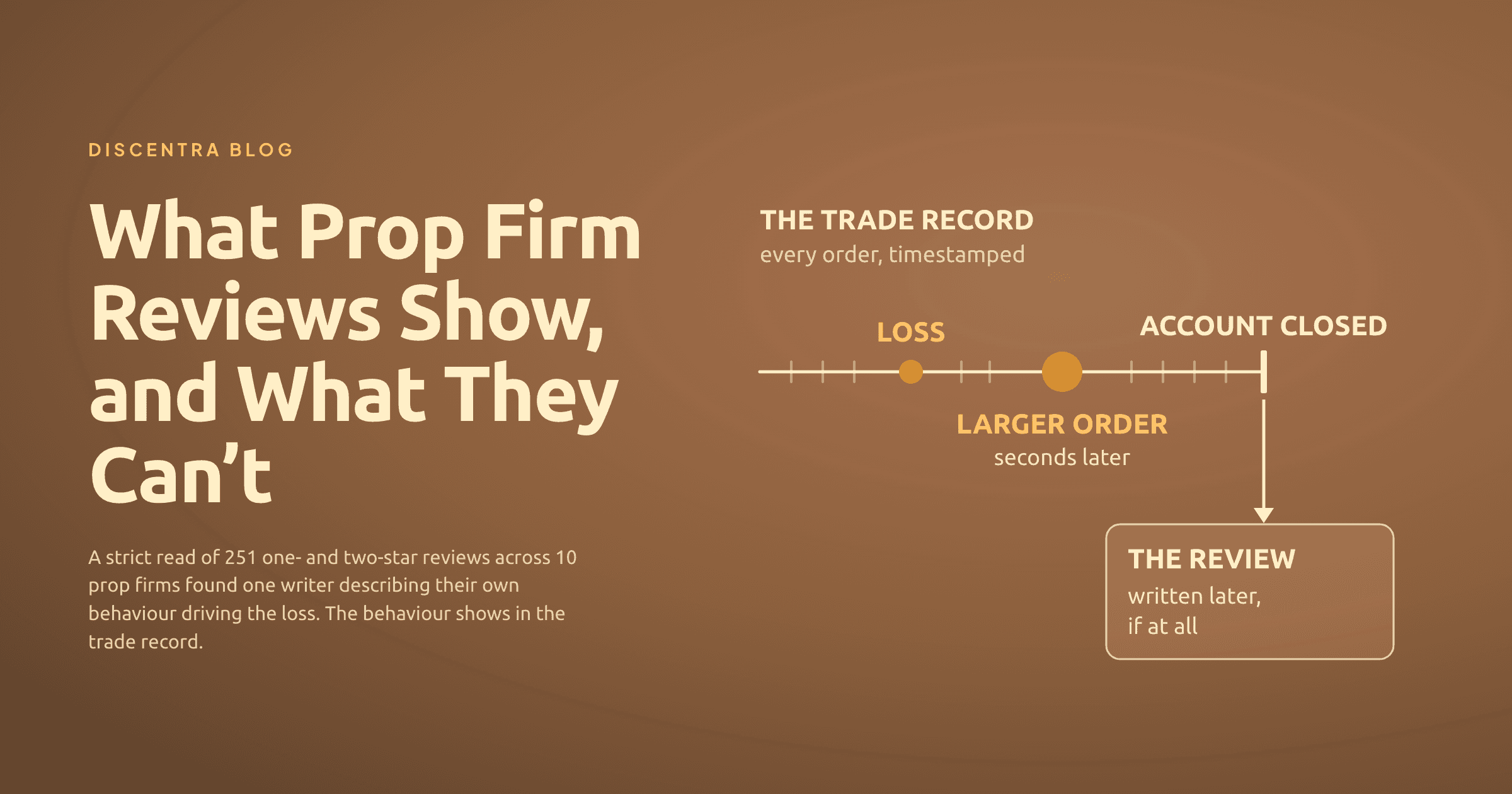
A strict read of 251 one- and two-star prop firm reviews found one writer describing their own behaviour driving the loss. What reviews can and can't show.
Tilt reads less like a character flaw than a stress response. Stress a person cannot control impairs the attention and working memory a plan relies on.
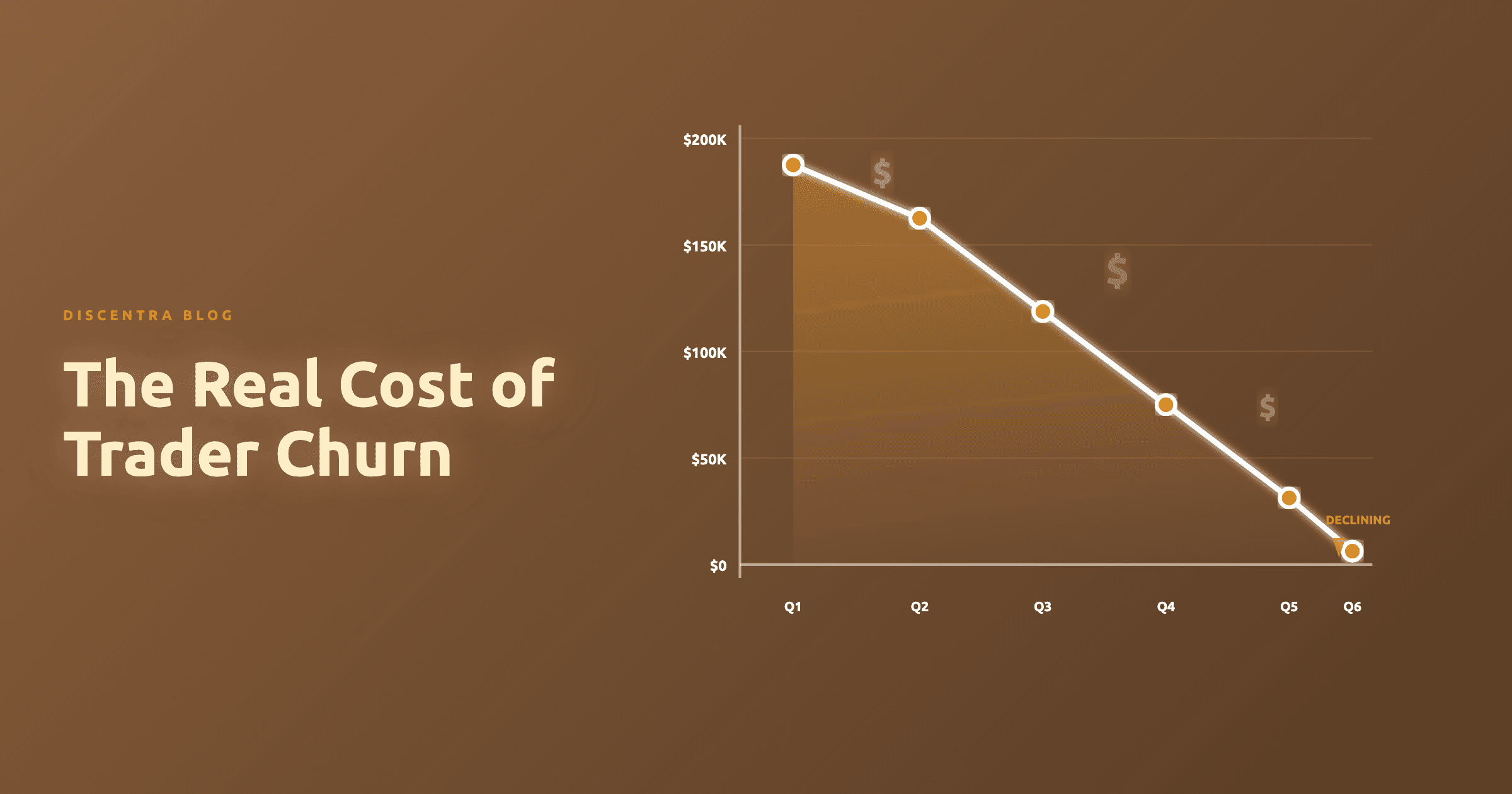
You track churn rate. The cost is the number that matters. See the CAC and lost-LTV maths behind every trader who quits, plus a worked example.